CAPM Eligibility Requirements Explained
Most people who look into project management certification assume there's a queue to join before they're allowed near an exam. Years logged running projects. A manager willing to sign a form vouching for hours worked. A CV that already says "project" somewhere in the job title. That assumption is accurate for PMP. It is not accurate for CAPM, and the gap between what people expect and what PMI actually asks for is wide enough that it puts capable candidates off applying at all.
The confusion is understandable. PMI runs both credentials, and PMP's eligibility criteria are genuinely demanding: thousands of hours of documented project leadership experience, verified by named contacts who PMI can contact directly if your application is audited. Candidates who've read about PMP eligibility, or who work alongside someone chasing it, reasonably assume CAPM sits on the same ladder a rung or two down. Fewer hours, perhaps, but hours all the same.
It doesn't work like that. CAPM was built as PMI's entry point precisely because the profession needed a credential that didn't require you to have already done the job. Someone finishing a degree, working in an adjacent admin or coordination role, or changing careers into project management from somewhere else entirely can meet CAPM's eligibility bar without having led a single project.
What CAPM actually asks for comes down to two things. First, a secondary education credential: a high school diploma, a GED, or an equivalent qualification recognised in your country. That's the entire academic requirement. There's no degree threshold, no specific subject requirement, nothing that filters by field of study. Second, twenty-three contact hours of formal project management education, completed before you submit your application. Those hours have to come from a recognised source, which typically means a PMI Authorized Training Partner, a university or college programme, or a distance-learning provider with a genuine end-of-course assessment attached. A weekend of unstructured reading doesn't count. A documented course with a defined syllabus and a completion record does.
That's it. No verified work experience. No sponsor letters. No minimum number of projects, however small, that you have to have touched. If someone tells you CAPM requires "some" project experience, or hedges with "it helps if you've worked on a project before," they're not wrong that it helps, but they're describing preparation, not eligibility. The two get conflated constantly, and it's worth holding them apart deliberately.
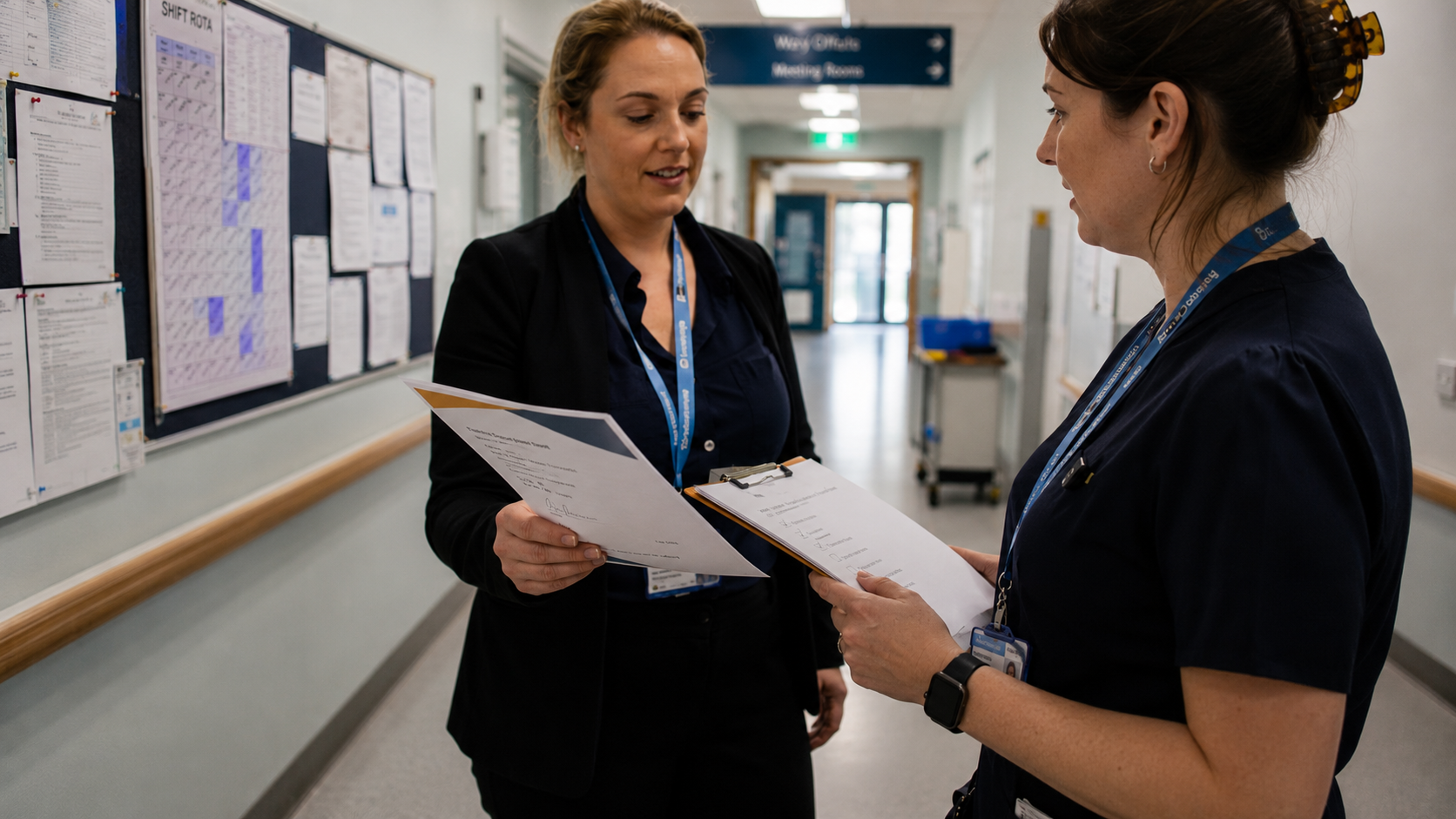
Here's where the confusion shows up in practice. A hospital administration team, the kind that coordinates ward transfers, equipment procurement and staff rotas without any of it being called a "project" on paper, will often have two or three people quietly interested in formalising what they already do. One of them assumes she needs years of documented project leadership before PMI will even let her sit the exam, based on something a colleague heard about PMP. She mentions this to a coworker who happens to have just finished his twenty-three hours through an evening course, and he shows her the completion record he's about to upload with his application. No project history attached to it. No sign-off from a line manager confirming years of delivery experience. Just the certificate and the education section of the PMI application, filled in honestly. She realises the barrier she'd assumed existed for months was never actually there.
This matters beyond the individual application, because it shapes who applies at all. CAPM was designed to widen the entry point into project management, not narrow it further behind the same experience wall that protects PMP's more senior positioning. Candidates who wrongly believe they need experience they don't yet have will either delay applying for years they didn't need to wait, or talk themselves out of it entirely. Neither outcome serves them, and neither reflects what PMI's own eligibility criteria actually say.
There's a second reason the distinction is worth getting right now rather than later. PMI's July 2026 update to the PMP Exam Content Outline confirms that candidates who already hold an active CAPM have their PMP training-hour requirement waived entirely. Not reduced. Waived. The experience and education tiers for PMP still apply in full, but the thirty-five hours of project management training that would otherwise sit alongside them are covered by having sat CAPM first. For anyone weighing up whether an entry-level credential is worth the time before attempting something heavier, that's a concrete, checkable reason it might be, separate from any argument about resumes or job titles.
None of this makes CAPM effortless. The exam itself covers project fundamentals, predictive methodologies, agile frameworks and business analysis in enough depth that the twenty-three hours of education are a floor, not adequate preparation on their own. But the eligibility question, the one that stops people before they've even opened a study plan, has a shorter and plainer answer than most candidates expect. A secondary qualification. Twenty-three documented hours. Nothing else standing between where you are now and submitting the application, and if you want a second opinion on your own situation before you do, get in touch about your CAPM training options.
Andre Malowney is a project management trainer accredited across PMI, APMG, APM and PeopleCert frameworks, working with both traditional plan-driven practitioners and Agile delivery teams. Find him on LinkedIn: www.linkedin.com/in/andremalowney.