How Hard Is the PRINCE2 Practitioner Exam, Really?
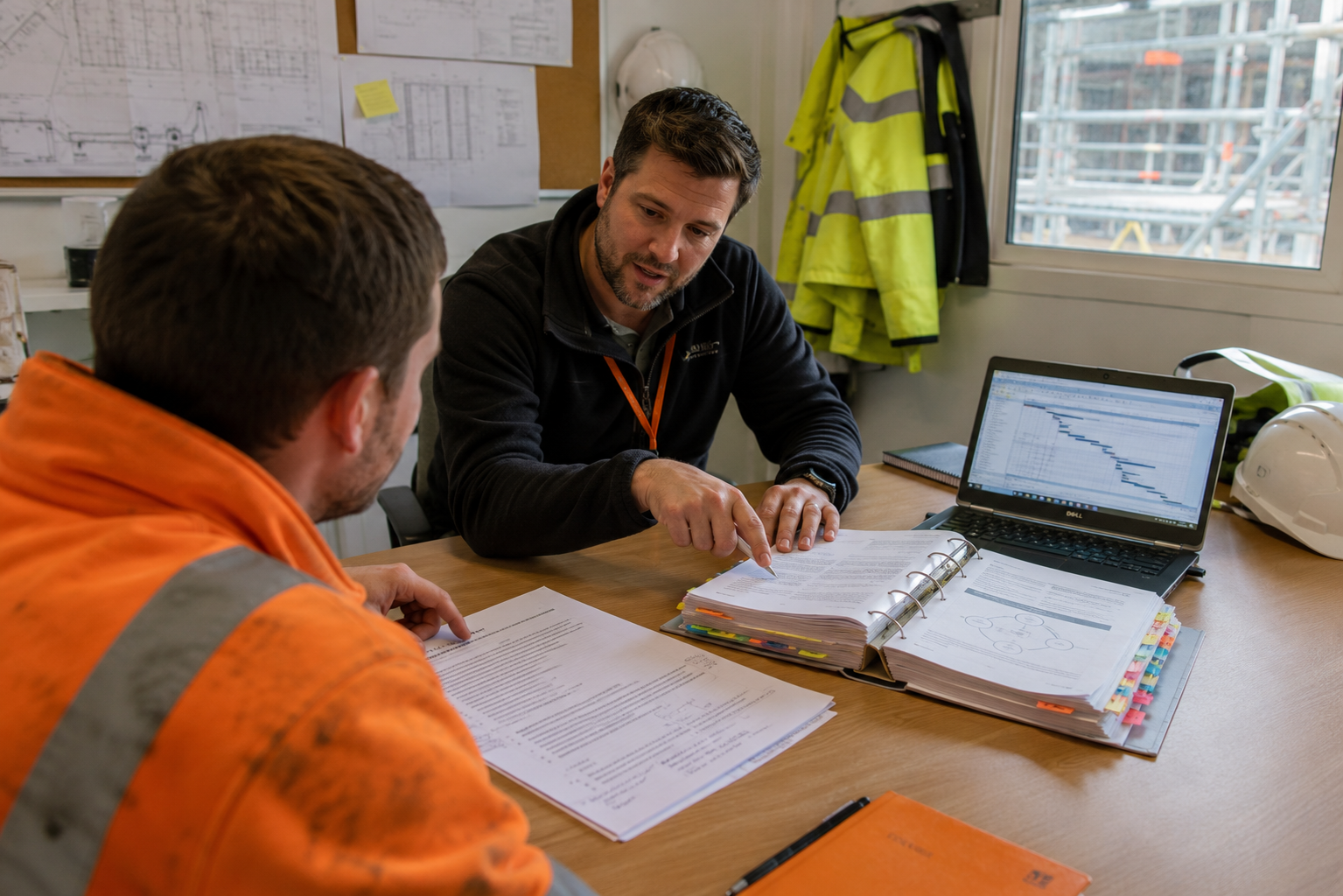
Most people who ask this question have already passed Foundation. They sat the closed-book recall test, did reasonably well, and started asking around about what comes next. The answer they usually get is some version of "it's harder, but you get the manual with you, so it's fine." That answer is technically true and almost completely unhelpful, because it lets a dangerous assumption sit unchallenged: that Practitioner is Foundation with a longer clock and an open book to lean on.
It isn't. And the gap between what candidates expect and what the exam actually demands is where most of the difficulty lives.
Foundation tests whether you know the method. Can you name the seven principles, describe what a business case is for, explain the purpose of a Highlight Report. It's recall, tightly scoped, closed-book, and it rewards people who've read the manual carefully and can retrieve what's in it. Practitioner tests something else entirely: whether you can take that same knowledge and apply it to a project you've never seen before, under a set of specific, sometimes deliberately awkward conditions, with the clock running.
The current PRINCE2 7 Practitioner exam runs to 70 scenario-based questions over 150 minutes, and you need 60% to pass, 42 marks out of 70. It's open-book, but that phrase does a lot of unearned work in most people's heads. Open-book means you're allowed to bring the official manual into the exam with you. It does not mean the answers are sitting there waiting to be located and copied out. Every question is anchored to one of a small number of detailed project scenarios set out in the manual itself, and the exam asks you to reason about that scenario: which process applies here, what should this particular risk response actually look like given what you know about this project, why would this tailoring decision be wrong for this specific context. The manual tells you what PRINCE2 says. It does not tell you which bit of PRINCE2 the question is really testing, or why the obvious-looking answer is usually a trap.
That's the part candidates consistently underestimate. Having the book open feels reassuring right up until the exam starts, and then it becomes clear that flicking through 300-odd pages to locate the relevant section costs time you don't have when you're facing 70 questions in two and a half hours. The manual is a reference, not a search engine, and treating it as the latter is one of the most reliable ways to run out of time with a third of the paper still unanswered.
We've watched this play out often enough in the classroom to recognise the pattern early. A recent delegate, a project coordinator with several years of delivery experience, had comfortably passed Foundation on the first attempt and came into Practitioner prep with the confidence that usually follows a strong result. Through the taught sessions she could recite the process model without hesitation. In the first full mock exam, working from the same manual she'd have in the real test, she finished barely half the paper. Not because she didn't know PRINCE2. Because she was reading each scenario question as if it were a comprehension exercise, hunting for the passage that would confirm the answer, rather than reasoning from what she already understood and using the manual to check herself rather than to think for her. Once that shift happened, in the second mock a week later, her pace changed completely and so did her score.
That's really what the exam is measuring, underneath the mechanics of question count and pass mark. Not whether you can find things in a book. Whether you've internalised the method well enough to reason with it live, on a project you've never met, while somebody else's clock is running. Candidates who prepare by rereading the manual cover to cover tend to struggle, because rereading builds familiarity, not application. Candidates who prepare by working through scenario after scenario, getting comfortable with the specific shape of Practitioner-style questions and the traps built into them, tend to find the real exam less alien than they feared. The difficulty was never really about volume. It was about what kind of thinking the exam was built to reward, and that's rarely the kind of thinking Foundation asked for.
None of this means Practitioner is a different discipline requiring some separate, harder-won expertise. It means the exam is testing the actual job, applying a method to a messy, specific situation, rather than testing whether you've memorised the method's description of itself. Once you see it that way, the preparation question answers itself: less time rereading, more time practising the exact skill the exam is built around. If you'd rather talk that preparation through properly than second-guess it alone, you're welcome to get in touch about your PRINCE2 training options.
Andre Malowney is a project management trainer accredited across PMI, APMG, APM and PeopleCert frameworks, working with both traditional plan-driven practitioners and Agile delivery teams. Find him on LinkedIn: www.linkedin.com/in/andremalowney.